
Rainwater Harvesting

Whether you’re collecting rainwater for drinking at home, or supplementing irrigation for an entire business, we have you covered.

Rainwater Harvesting

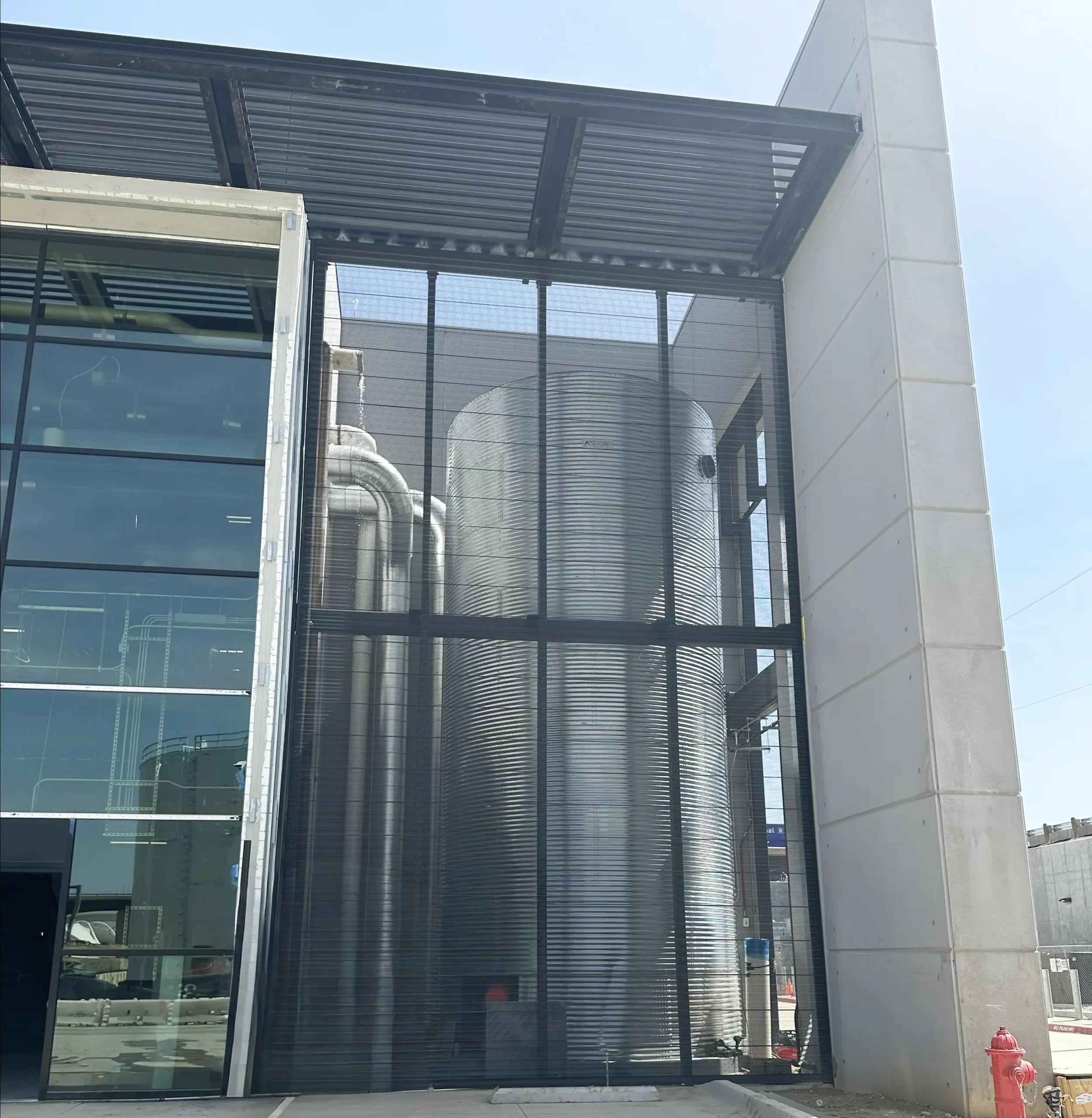
Specified Water Systems specializes in designing and constructing rainwater harvesting systems. With over 25 years of experience, our team has installed every type of system imaginable and is well-equipped to help with your next project. Whether you are trying to establish a rainwater system pulling from multiple buildings for a data center, or you are looking for a tank in your backyard, SWS has the skills and tools necessary to deliver the best product available.

Why Rainwater Harvesting?

Rainwater harvesting is an economical and eco-friendly solution to restricted water usage and periodic droughts, allowing you to take control of your water future. Whether you are aiming to reduce your utility bill, ensure water availability, protect the environment, or comply with regulations, rainwater harvesting is a great investment in your future.

One of the most popular applications of rainwater harvesting forĀ  businesses and homes looking to support irrigation and landscaping needs. Many cities and counties restrict water usage
Rainwater Harvesting Calculator

Estimate how much rainwater your roof could collect during a rain event
or over the course of an average year.


sq. ft.


inches / year


Average Annual Rainfall


34.32”


Assumed Collection Efficiency

85%


Estimated Annual Rainwater Collection


90,872


gallons / year

1″ Rain Event

2,648
gallons
2″ Rain Event

5,296
gallons
Average Per Month

7,573
gallons

How is this calculated?

One inch of rainfall over one square foot of roof area produces
approximately 0.623 gallons of water.

Estimates shown here assume an 85% collection efficiency
to account for typical system losses such as first flush diversion,
splash, evaporation, filtration, and other collection losses.

Annual rainfall figures are based on historical climate averages and
regional estimates. Actual rainfall and collection will vary by location,
year, roof material, system design, rainfall intensity, first-flush
diversion, filtration, and other site conditions. This calculator is
intended for preliminary planning purposes only and should not be used
as a final system or storage tank sizing calculation.